
Individual Lessons
We provide individual and group lessons for students of all ages and at all levels of learning. Lessons are delivered by qualified and experienced music teachers, who cater to the needs of each student.
Why choose Individual Music Lessons?
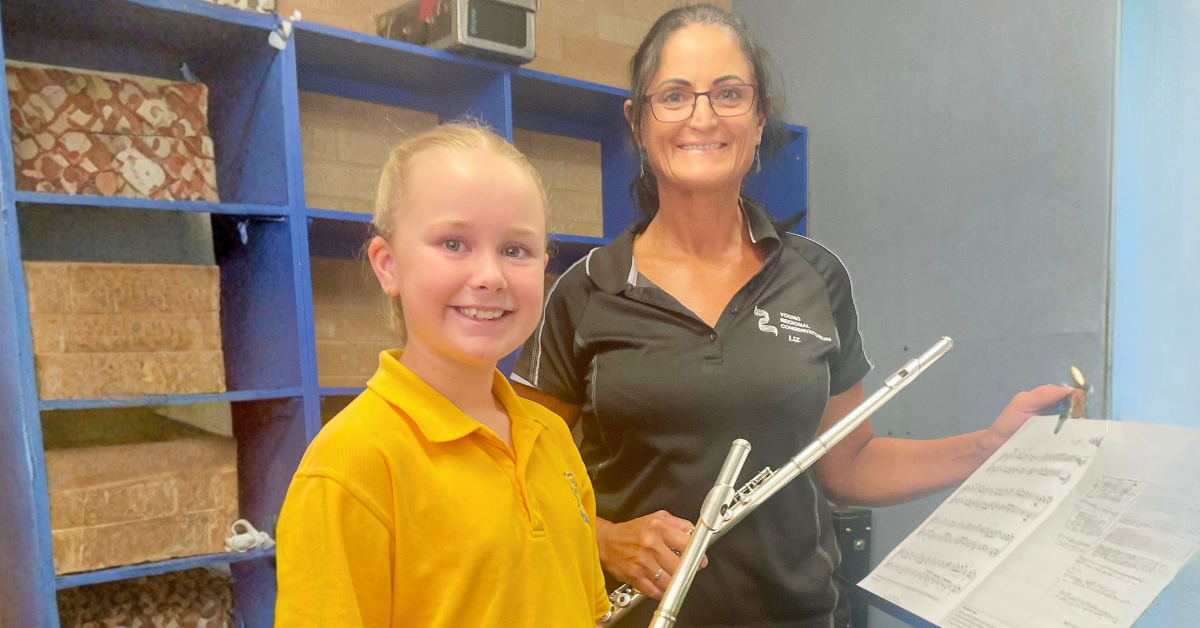
Individual lessons are designed to provide you with direct, one-to-one music education by a professional music tutor. These lessons are designed around you and your personal music goals.
Individual lessons also provide a supportive environment where students can ask questions, receive immediate feedback, and celebrate milestones along their musical journey. Whether learning for enjoyment, preparing for examinations, or pursuing performance opportunities, personalised tuition helps students achieve their goals while developing a lifelong appreciation for music.
Lessons can be delivered at our studios located in Young, Cowra, and Temora.
How it works

1. Contact Us
The first step is to contact us via our enrolment form. You can let us know a little more about you, your current skill level, the instrument you’d like to learn, and your musical goals.

2. Tutor Matching
Based on the information you provide to us, we will help match you with a tutor who can assist you in meeting your musical goals. We take into consideration your instrument, musical style, and current skill level to ensure you are best supported with your music education. If you’d like to learn more about our talented tutors you can read about them on our Meet your tutors page.
3.Lesson Planning
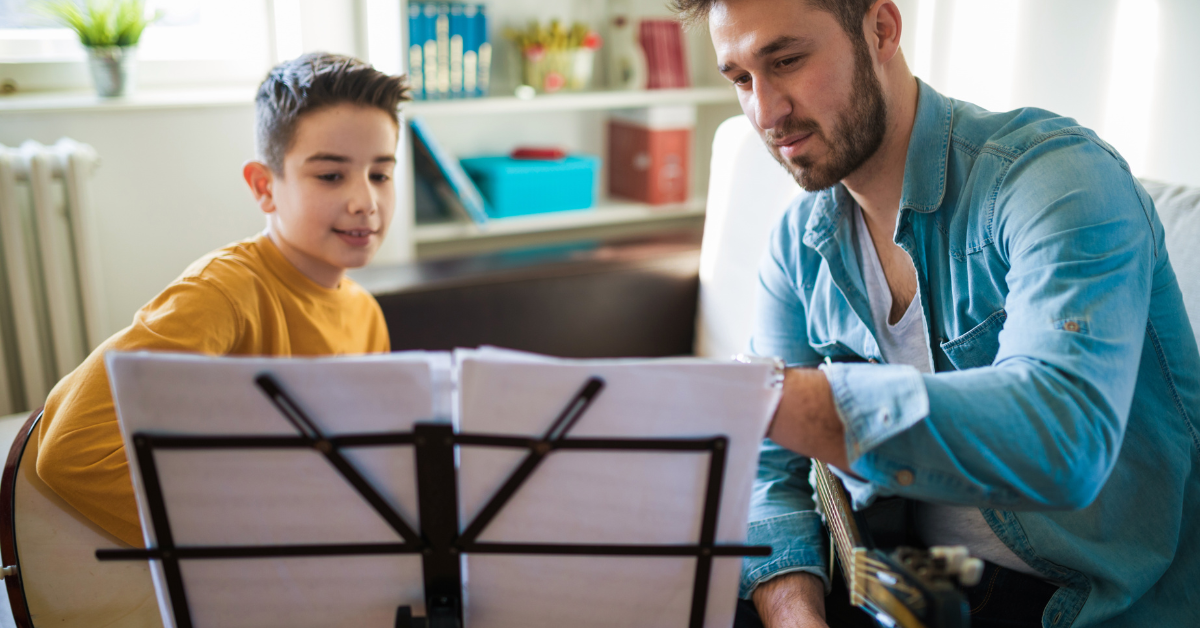
Our Tutors are available to meet you on site at our studios in Young, Cowra or Temora. If you are a young person currently at school we may also be able to accommodate lessons at your Primary or High School. See our Programs for Schools page to learn more about how to explore this option.
What we teach
-
Brass Instruments
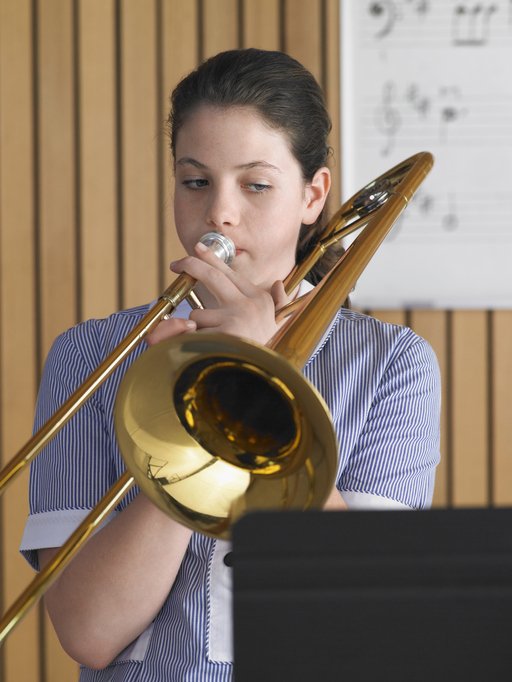
Brass instruments might be heard in an orchestra, in a marching band, in a jazz band, or in other ensembles, as well as solo. They can be played very loudly!
Learning a brass instrument will allow you to play many types of musical styles, from classical to jazz.
Trumpet
Coronet
Tuba
Trombone
-
String Instruments
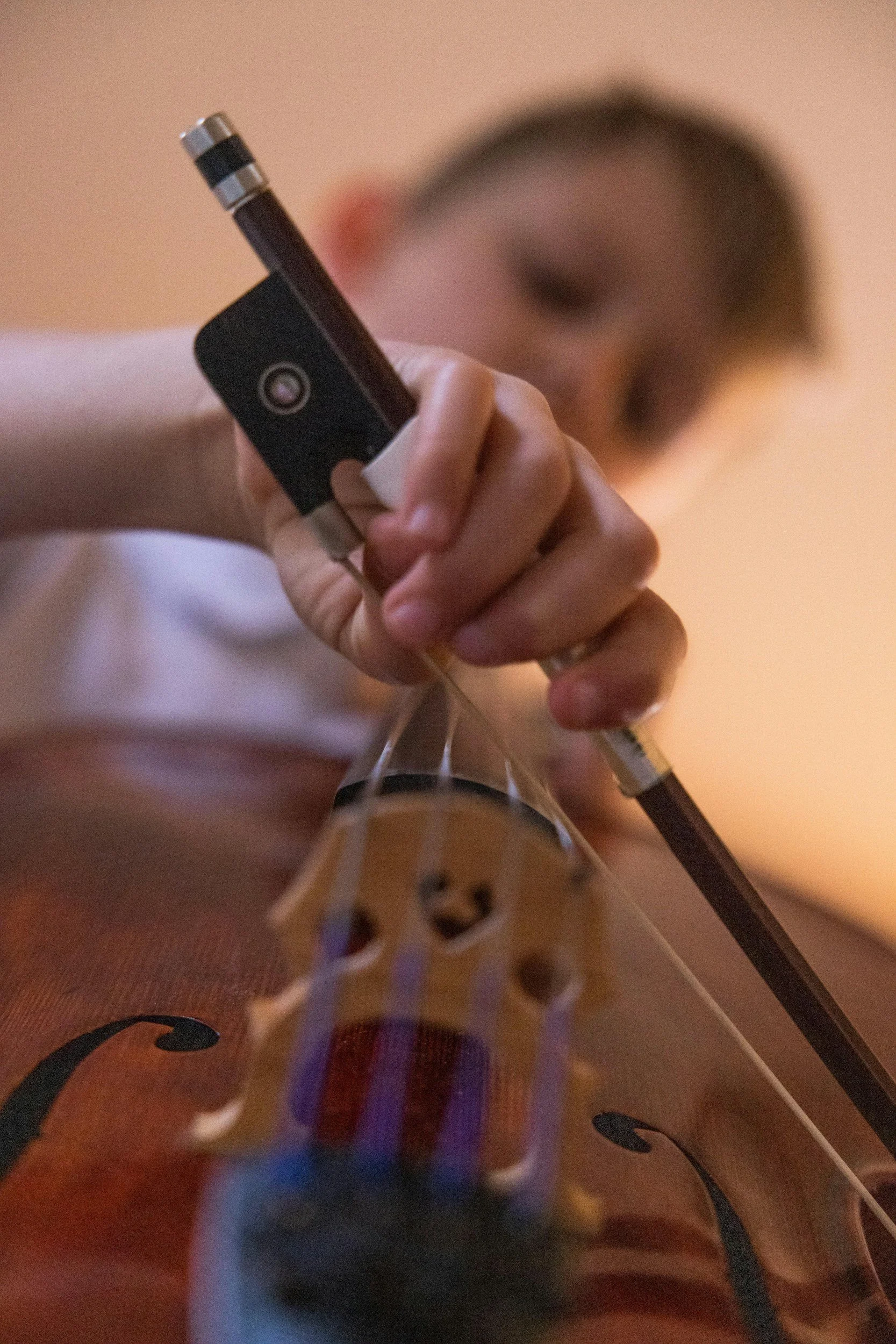
The instruments in the string family all look very similar, but are different sizes. The smaller instruments make higher pitched sounds than the larger instruments. The wooden bodies of the string instruments are hollow, allowing the sound to vibrate. The strings (made of nylon or steel or even gut) are usually played by drawing a bow across them. The bow is made of wood and horsehair. Sometimes the strings are plucked with the fingers, instead of played with the bow.
Violin
Viola
Cello
Double Bass
-

Drums/Percussion
Instruments from the Percussion family make their sound by being hit, scraped or shaken. They are played all over the world, in all types of music.
Percussion instruments can be tuned. This means they can play lots of pitched notes, like a xylophone or glockenspiel. Or they can be untuned, like drums, playing only one pitch.
Drum kit
Djembe
-
Piano & Keyboard
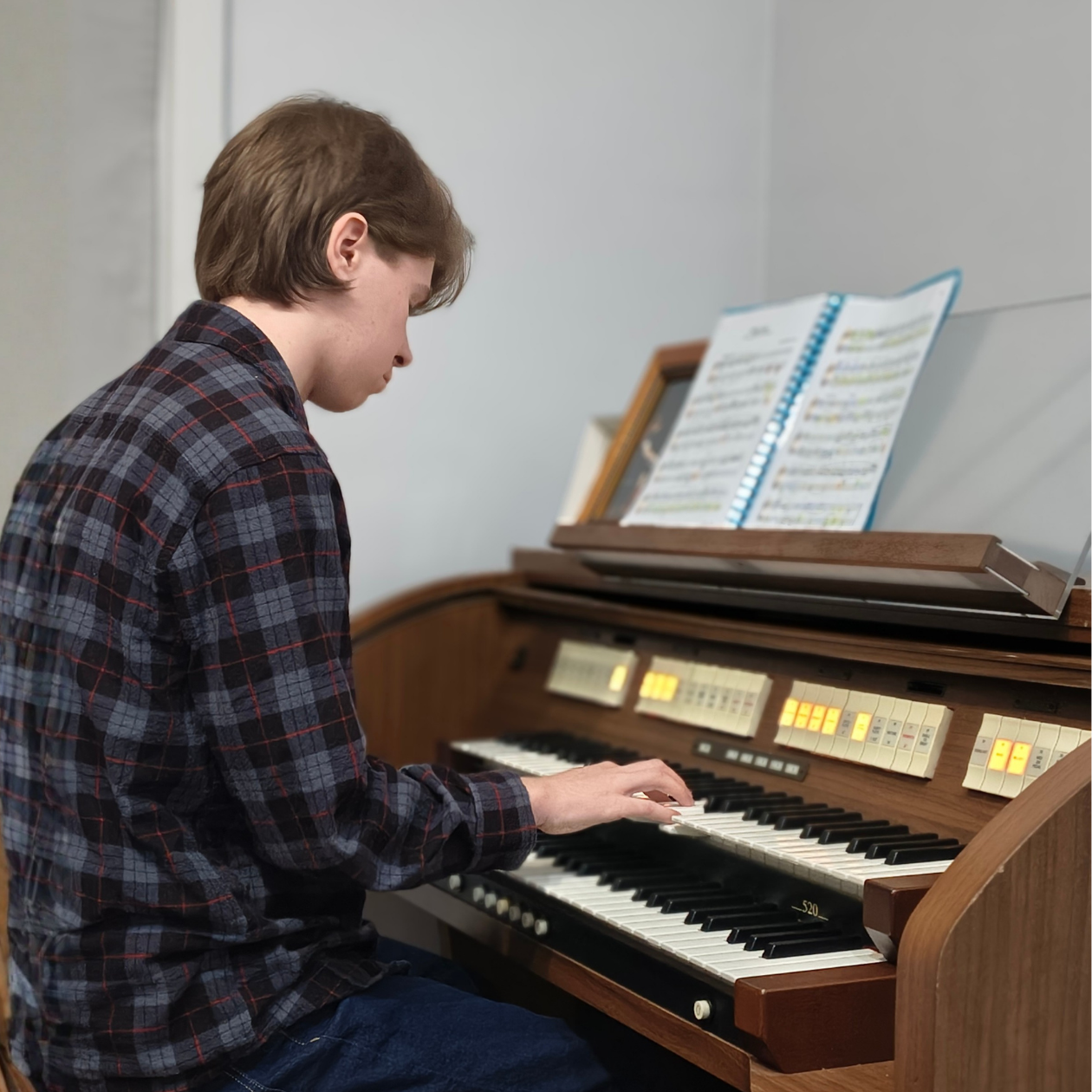
Pianos are versatile instruments, used in all types of music and ensembles, as well as solo and to accompany other instruments and singers.
To learn the piano, you need to have access to a piano or to a good-quality keyboard with weighted keys for practice at home.
Piano
Organ
Keyboard
Piano Accordion
-
Woodwind
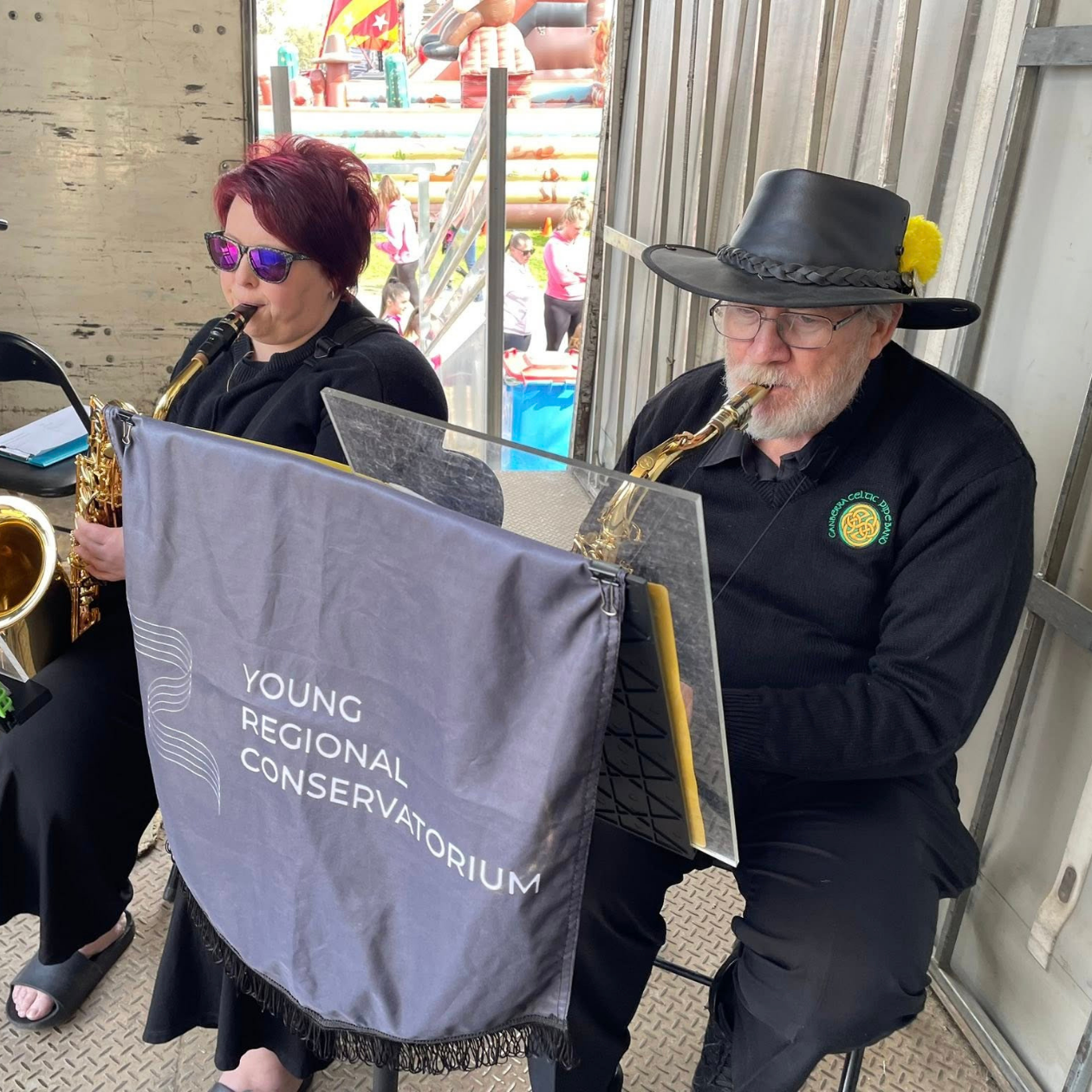
Woodwind instruments used to be made of wood, which gives them their name. Today, they can made of wood, metal or plastic. They are made of pipes with holes along their length, a mouthpiece at the top, and an opening at the bottom. Air is blown through the instrument to make a sound (the wind part of their name). Some of the holes are covered by metal caps called keys.
The mouthpieces of the clarinet, oboe, and bassoon have a thin piece of wood called a reed, which vibrates when it is blown. The clarinet uses a single reed made of one piece of wood, while the oboe and bassoon use a double reed made of two pieces of wood bound together.
Clarinet
Oboe
Bassoon
Flute
Saxophone
-

Guitar & Bass
Acoustic guitars have hollow bodies so that the sound can vibrate within. Electric guitars have solid bodies, and the instrument's soft sound is amplified through an amplifier.
Classical guitars have nylon strings, and there are half-size and three-quarter-size guitars for younger/smaller players.
Acoustic guitars have steel strings, making a brighter, louder sound than classical guitars.
Bass guitars usually only have 4 strings, and their sound is very low.
Guitar Electric, Acoustic, or Bass
Ukulele
-
Voice & Vocal Coaching
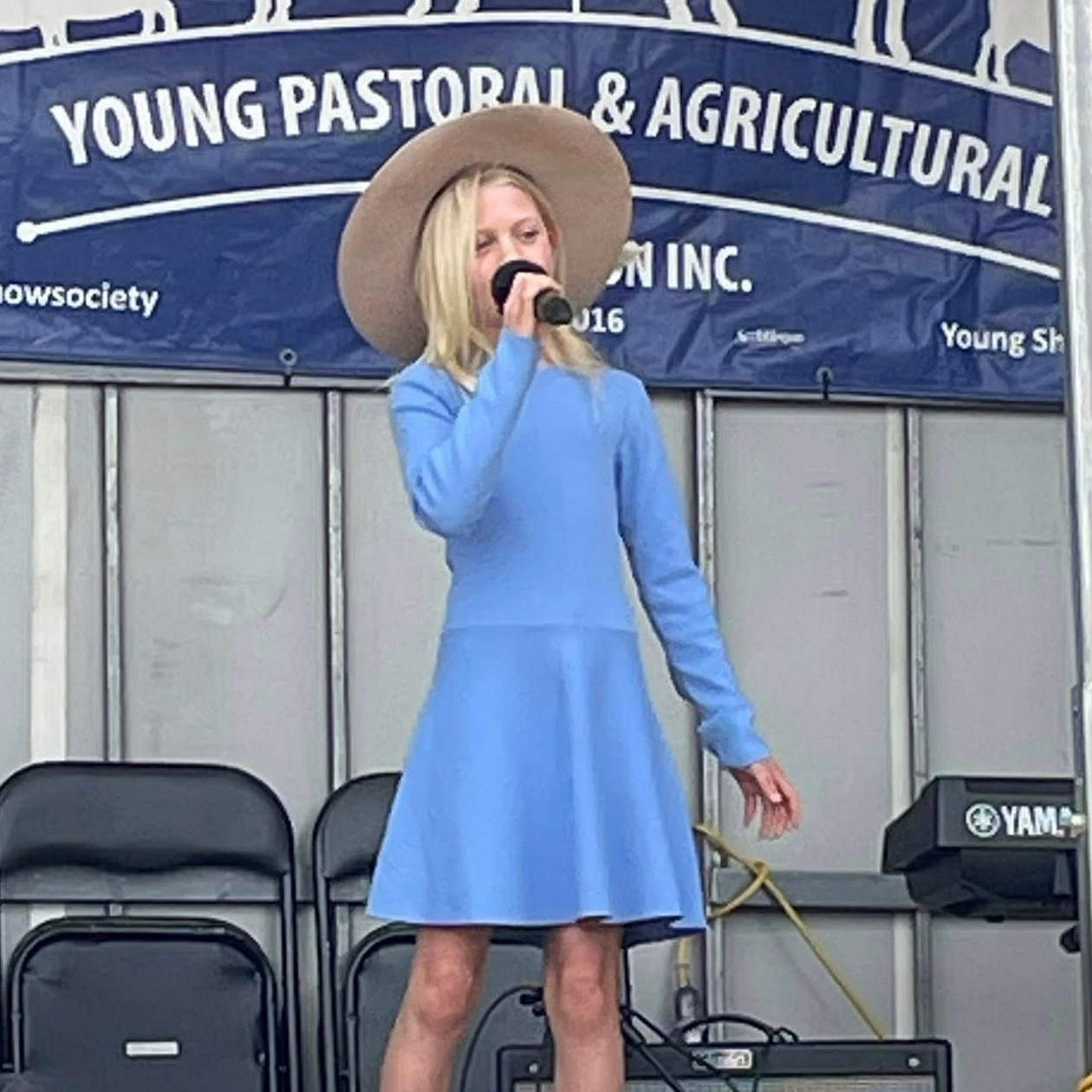
YRC offers vocal lessons for students of all ages, and in all styles. Vocal lessons include an emphasis on using the correct technique for the style of song being performed. YRC teachers specialise in particular styles - you can learn classical, popular, country, jazz or aspects of all these styles. Many of our vocal students study from musical theatre repertoire.
Classical
Popular
Country
Musical theatre
-
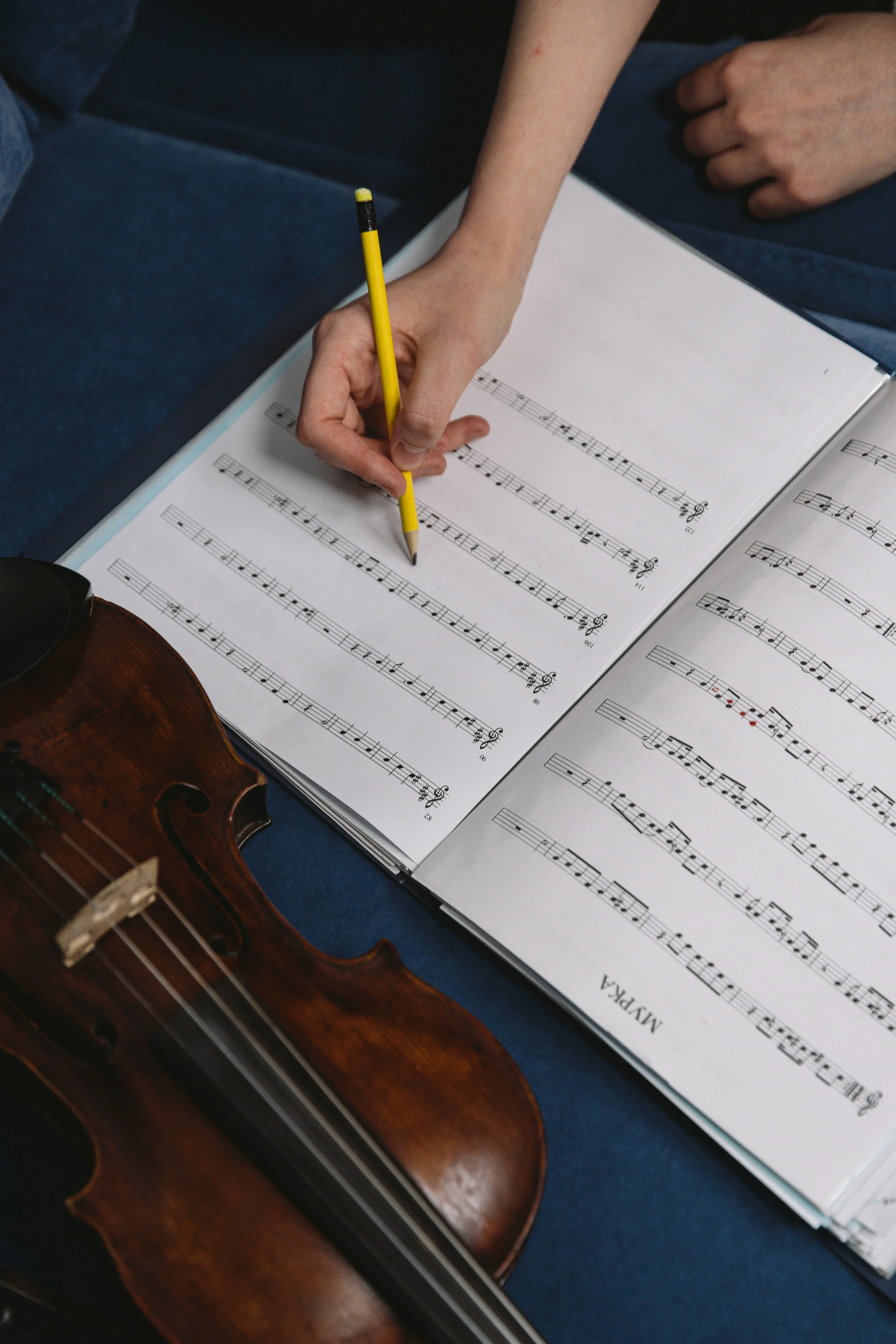
Music Theory & Composition
Theory lessons can complement a student’s instrumental or vocal studies, helping to build an understanding of the music’s structural components or historical influences.
Students sitting instrumental or vocal examinations in higher grades are required to pass theoretical examinations as well.
Students wishing to learn theory can choose to study via a program such as AMEB Theory or Musicianship, or lessons can be tailored to suit interest or needs of the student.
YRC also offers lessons in composition in all styles of music, to support students’ creative aspirations.
How to enrol
If you are interested in our Individual Lessons, complete and submit the enrolment form by clicking “Enrol now”.
Our team will contact you to discuss your lesson goals, lesson schedule, and teacher.
Frequently Asked Questions
-
Pricing will depend on the length of your lesson and whether you undetake individual, or group lessons. Our full fee schedule can be downloaded here.
-
Our helpful administration staff can assist you in finding the right lesson plan and tutor to meet your musical goals. You can contact them during business hours on (02) 6382 5735 or send an email to info@youngrc.nsw.edu.au